
Lexington Probate Court Records Access
Lexington is a rapidly growing town in Lexington County, located in the Midlands region of South Carolina. As the county seat of Lexington County, Lexington is home to the Lexington County Probate Court, which handles probate matters for all residents of the county. The court operates under Title 62 of the South Carolina Code of Laws, the South Carolina Probate Code. Matters handled by the court include estate administration, guardianships and conservatorships for incapacitated adults, marriage license issuance, and involuntary mental health commitments. Lexington County is one of only six counties in South Carolina with an elected Register of Deeds, who maintains deed and mortgage records separately from the probate court.
Lexington Quick Facts
Lexington County Probate Court Overview
The Lexington County Probate Court is the primary court of record for estate administration, guardianship proceedings, marriage licenses, and other probate matters throughout Lexington County. Lexington's growth as one of the fastest-growing communities in South Carolina has brought increased demand on the court's services, and the court serves a broad and diverse population that includes the town of Lexington itself as well as the city of Columbia, portions of which extend into Lexington County.
The Town of Lexington maintains its own municipal presence and serves as a resource for local residents. The following image is sourced from the Town of Lexington's official website, which provides community information and municipal services for Lexington residents who may be navigating court-related matters alongside local government processes.
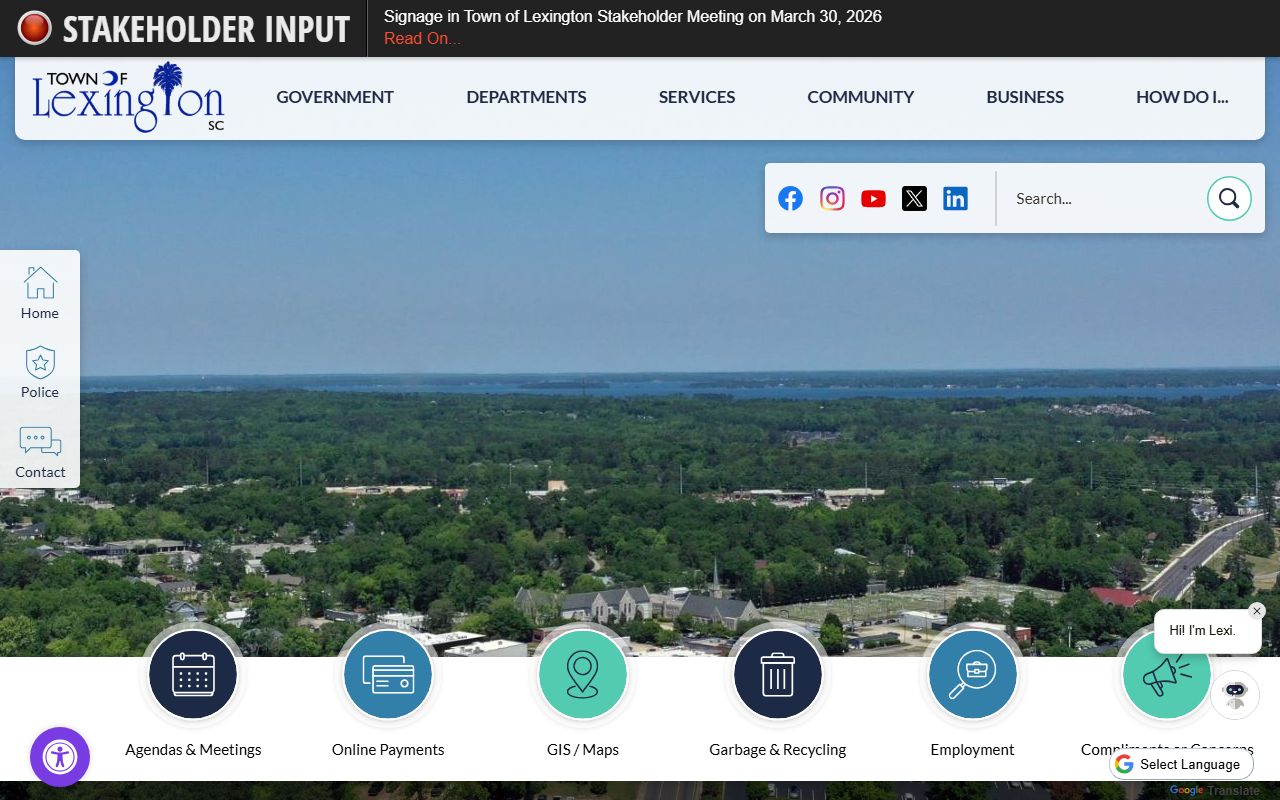
Lexington residents can use the town's official website to find municipal contacts and community resources, including information that may be relevant when dealing with estates or family legal matters connected to the town.
The South Carolina Judicial Branch provides statewide oversight of probate courts and maintains the free Public Index used to look up case information. The following image is sourced from the South Carolina Judicial Branch website, which hosts the case search tool available to Lexington residents looking up estate and guardianship records in Lexington County.
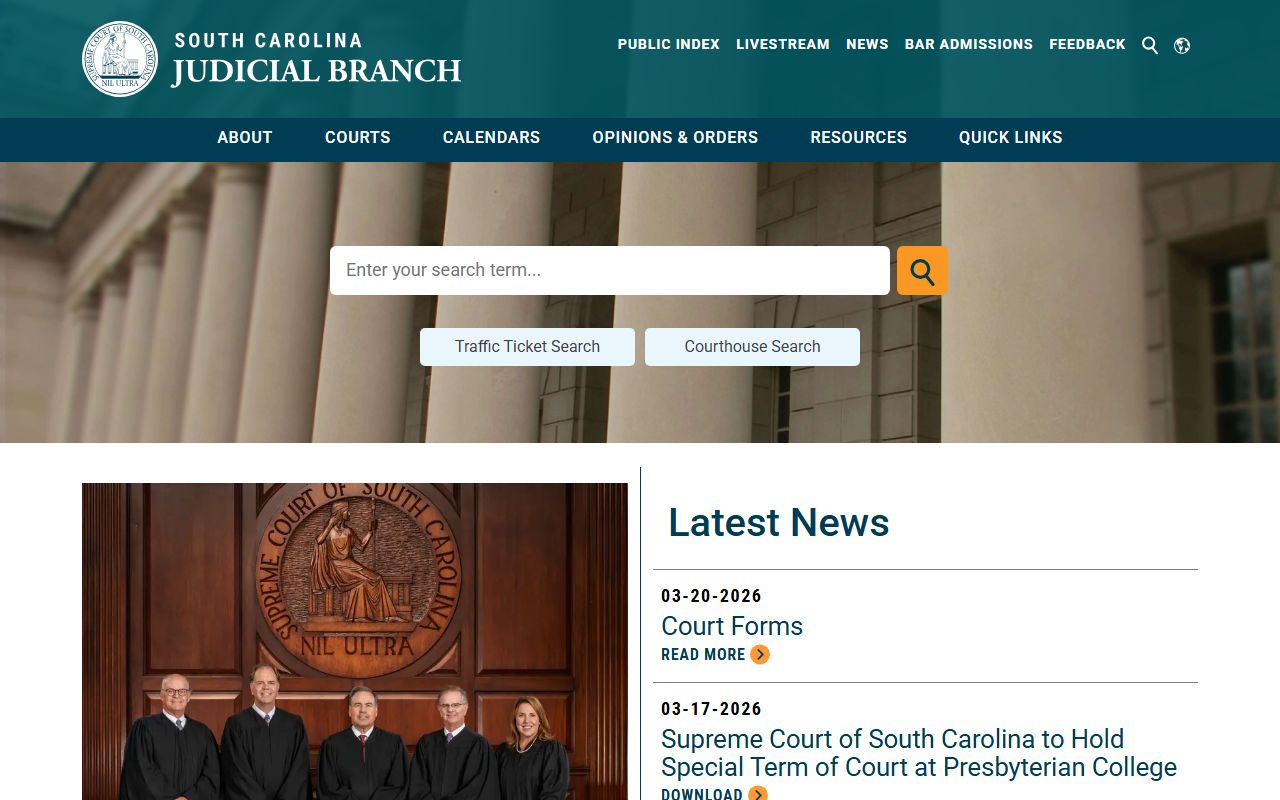
Lexington residents can search the Public Index at sccourts.org for estate cases, guardianship proceedings, and other probate filings in Lexington County without visiting the courthouse in person.
Estate Administration for Lexington Residents
When a Lexington resident passes away, the estate typically must be administered through the Lexington County Probate Court. If the deceased left a valid will, the executor brings the original will and a certified death certificate to the court, generally within 30 days of the date of death. The court reviews the will, admits it to probate if it meets South Carolina's requirements, and issues letters testamentary granting the executor authority to administer the estate. This includes gathering assets, notifying known creditors, paying valid claims, and distributing remaining property to beneficiaries.
When a Lexington resident dies without a will, the probate court opens an intestate estate and appoints an administrator. South Carolina's intestate succession laws determine how the estate is distributed among surviving family members. The administrator carries the same responsibility as an executor but works under a court appointment rather than the authority of a will. All filings in intestate estates, as with testate estates, are part of the public record at the Lexington County Probate Court.
Lexington County's status as one of South Carolina's most active growth areas means the probate court regularly handles complex estates involving real estate, business interests, and multi-jurisdictional assets. Lexington residents with substantial or complex estates are encouraged to work with an attorney to navigate the probate process efficiently. The Lexington County Probate Court's official page provides court contact details and filing guidance at lex-co.sc.gov/departments/probate-court.
Guardianships and Conservatorships in Lexington
The Lexington County Probate Court handles guardianship and conservatorship proceedings for adult Lexington residents who are unable to manage their own affairs due to incapacity. A petition is filed with the court, and a guardian ad litem is appointed to independently investigate the situation and report to the probate judge. The court reviews medical evidence and holds a hearing before issuing a guardianship or conservatorship order.
A guardian makes personal decisions for the protected person, such as decisions about medical treatment, where the person will live, and day-to-day activities. A conservator manages financial affairs, including managing income, paying bills, and protecting assets. In many Lexington cases, the same person serves in both roles, though separate appointments are possible when circumstances call for it.
All guardians and conservators appointed by the Lexington County Probate Court are subject to ongoing court oversight. They must file periodic reports documenting their decisions and financial management. The court can modify or terminate a guardianship or conservatorship if the protected person's circumstances change or if the court determines that the appointed person is not fulfilling their responsibilities appropriately.
South Carolina's probate code sets out detailed procedures and standards for all of these proceedings. The following image is sourced from Title 62 of the South Carolina Code of Laws, which provides the legal foundation for every estate and guardianship proceeding handled by the Lexington County Probate Court.
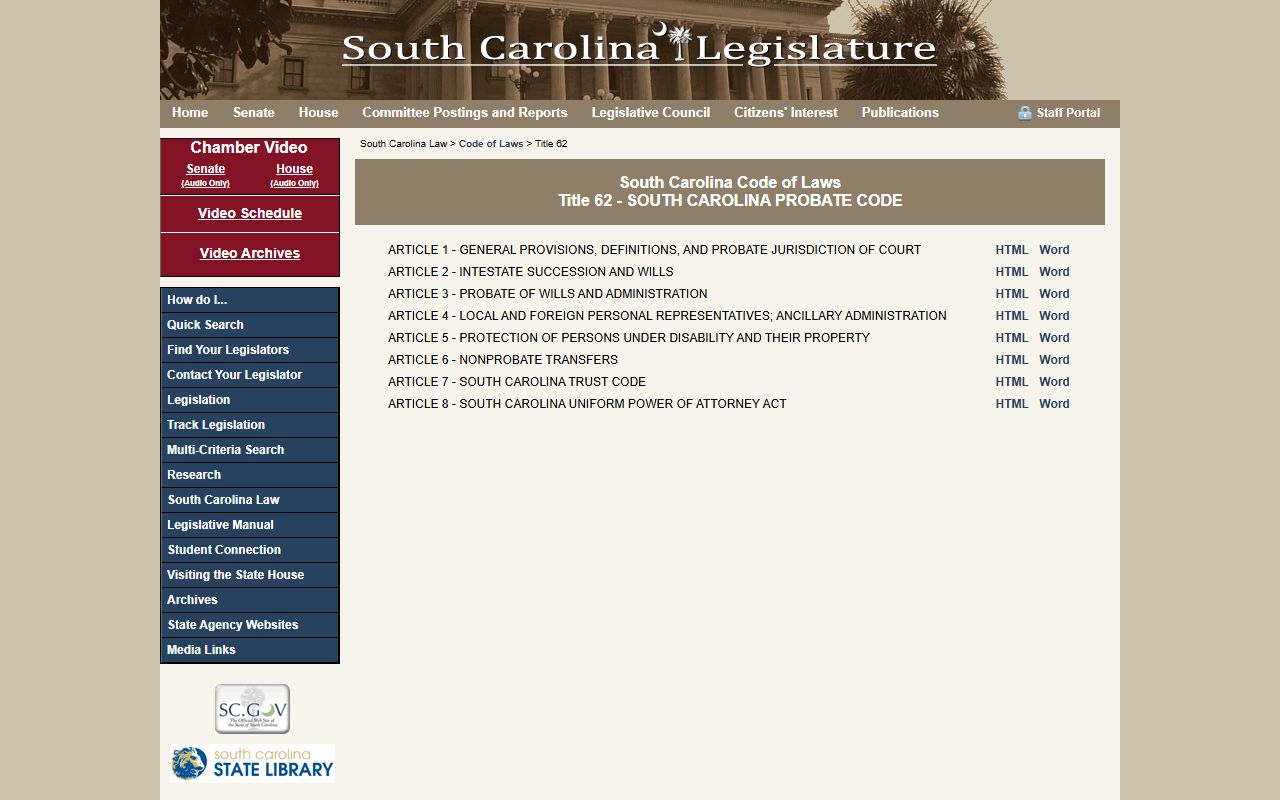
Reviewing Title 62 gives Lexington residents and their attorneys a clear picture of the rights and obligations involved in probate court proceedings, from initial filing through final distribution or discharge.
Marriage Licenses in Lexington County
Couples who plan to marry in Lexington County must obtain a marriage license from the Lexington County Probate Court before the ceremony can take place. Both applicants are required to appear together at the courthouse in person. Each person must bring a valid government-issued photo ID and a Social Security card. The fee for a marriage license in Lexington County is $46. South Carolina law requires a 24-hour waiting period after the license is issued before the ceremony may be performed. A marriage license issued in Lexington County is valid for any ceremony held anywhere in South Carolina.
The Lexington County Probate Court also accepts Health Care Power of Attorney documents and Living Will declarations for filing. These advance directives allow Lexington residents to document their medical wishes and designate who will make healthcare decisions on their behalf if they become incapacitated. Filing these documents with the probate court creates a permanent record in Lexington County that can be accessed by healthcare providers and family members when needed.
Accessing Lexington Probate Court Records
Probate records for Lexington residents are public documents filed at the Lexington County Probate Court. The South Carolina Judicial Branch provides free online case access through the Public Index at sccourts.org. This tool allows users to search by party name or case number and view basic case details including filing date, case type, parties, and current status. For complete document access or certified copies of probate filings, individuals must contact the Lexington County Probate Court directly or visit in person during court hours.
The probate court also handles wrongful death settlements and approves settlements for minors receiving $10,000 or more, extending its role beyond traditional estate and family matters. Involuntary mental health commitment proceedings for Lexington County residents, including those in the town of Lexington, are also filed with the probate court, though these records carry heightened confidentiality protections under South Carolina law.
Lexington County's elected Register of Deeds, one of only six in South Carolina with this elected structure, maintains real property records including deeds and mortgages. These records are distinct from probate filings but may be relevant to estate administration when a deceased Lexington resident owned real property. Researchers should contact the Register of Deeds separately when searching for property-related documents.
Lexington County Probate Court Records
All probate filings for Lexington residents are maintained at the Lexington County Probate Court. The county page provides the court's full contact details, jurisdiction overview, fee schedules, and guidance on how to access Lexington County probate records both online and in person. Whether you are researching an estate, initiating a guardianship proceeding, or looking up a historical filing, the Lexington County page is the definitive starting point for probate research in this county.
Nearby South Carolina Cities
Residents of cities near Lexington file probate matters at the probate court for their respective county. Select a nearby city to find probate court information for that area.