
Lexington County Probate Court Records
The Lexington County Probate Court handles estate administration, guardianship and conservatorship cases, involuntary commitment proceedings, and marriage licenses for residents of this growing Midlands county. Lexington County probate court records reflect the legal events that arise when people die, lose capacity, or need the court's protection. Whether you are a resident of the Town of Lexington, an heir researching an estate, or a genealogist tracing family history, this page covers how to find and use Lexington County probate court records.
Lexington County Probate Court Quick Facts
Lexington County and Its Probate Court
Lexington County is one of the fastest-growing counties in South Carolina. It sits in the Midlands region, just west of Richland County and the state capital, Columbia. Parts of the City of Columbia extend into Lexington County. The county seat is the Town of Lexington, a growing community with an active local government that keeps residents informed through Council Action Items and regular Town Topics newsletters.
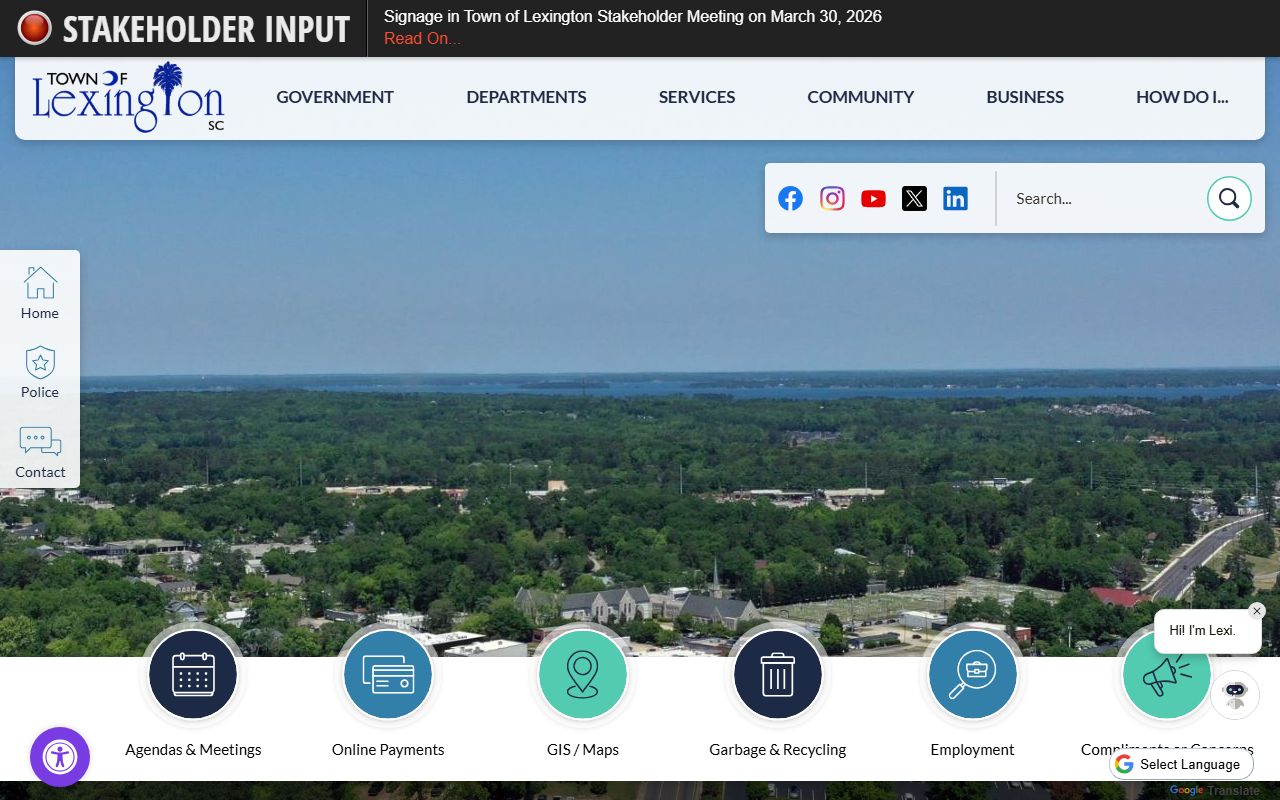
The Town of Lexington is the county seat and home to county government offices including the probate court. The town's website and local government structure reflect the energy of a growing Midlands community. Residents of the town and the broader county all turn to the probate court for estate filings, marriage licenses, and related legal matters.
Lexington County's probate court operates under the South Carolina Probate Code, Title 62. It is a court of limited jurisdiction. The probate judge is elected by county voters and serves a four-year term. The court handles the full range of probate matters defined by state law.
Lexington County is one of only six counties in South Carolina with an elected Register of Deeds. Voters directly choose this official, creating a layer of direct accountability to the public. The Register of Deeds operates as a separate office from the probate court and maintains all real property records for the county.
Lexington County Probate Records for Estates and Wills
Estate administration is the core function of the Lexington County Probate Court. When a county resident dies, the probate process begins with a petition to open the estate. The court appoints a personal representative to manage the estate's assets, pay its debts, and distribute what remains to heirs or beneficiaries.
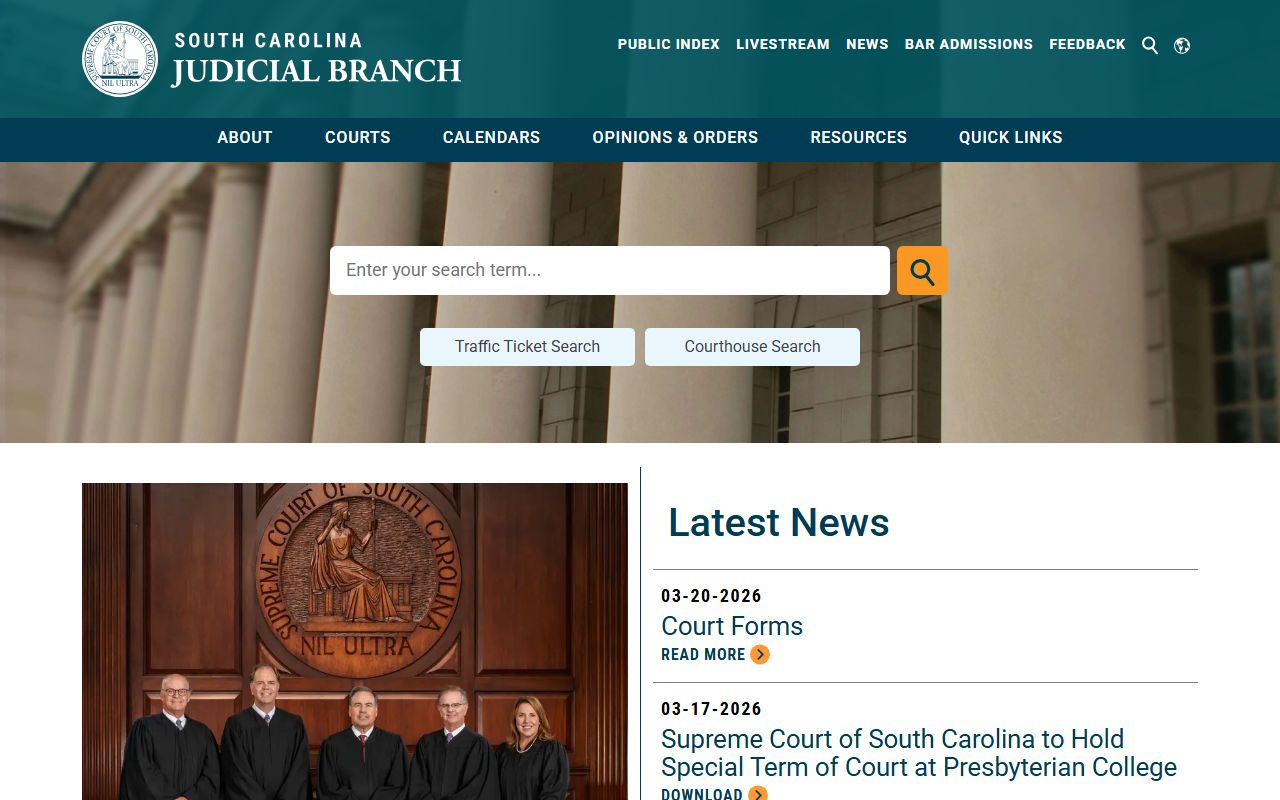
The South Carolina Judicial Branch provides statewide information on court processes, including how probate courts work. Lexington County follows the same procedural rules as every other county. Estate files at the probate court include the petition to open, any existing will, an inventory of assets, creditor notices, tax documents, and a final order closing the estate.
These records are public. You can review them at the Lexington County Probate Court during regular business hours. Knowing the decedent's name and approximate date of death will help staff locate the file quickly.
Real property in a Lexington County estate requires a deed transfer recorded with the elected Register of Deeds. After the probate court issues the proper order, the heir or beneficiary must file a new deed. This step makes the transfer official in the county's property records.
Note: Lexington County's growing population means the probate court processes a high volume of cases. Calling ahead to confirm hours and procedures before visiting can save time.
Guardianship and Conservatorship Probate Records in Lexington County
The Lexington County Probate Court handles guardianship and conservatorship cases for adults and minors who cannot manage their own affairs. These proceedings protect vulnerable individuals by placing a responsible party in charge of their personal care or financial decisions.
A guardian makes personal and medical decisions on behalf of the protected person. A conservator manages money and property. These roles can be assigned to one person or divided between two. The court requires ongoing reports to confirm the protected person's needs are being met appropriately.
Lexington County probate court records from guardianship and conservatorship cases include petitions, evaluations, court orders, and periodic reports. Some details may carry access restrictions under state law. Contact the probate court to confirm what is publicly available in a specific case.
Marriage Licenses and Lexington County Probate Court Records
The Lexington County Probate Court issues marriage licenses to couples who plan to marry in South Carolina. Both applicants must appear in person and provide valid identification. The license is valid for 30 days from the issue date.
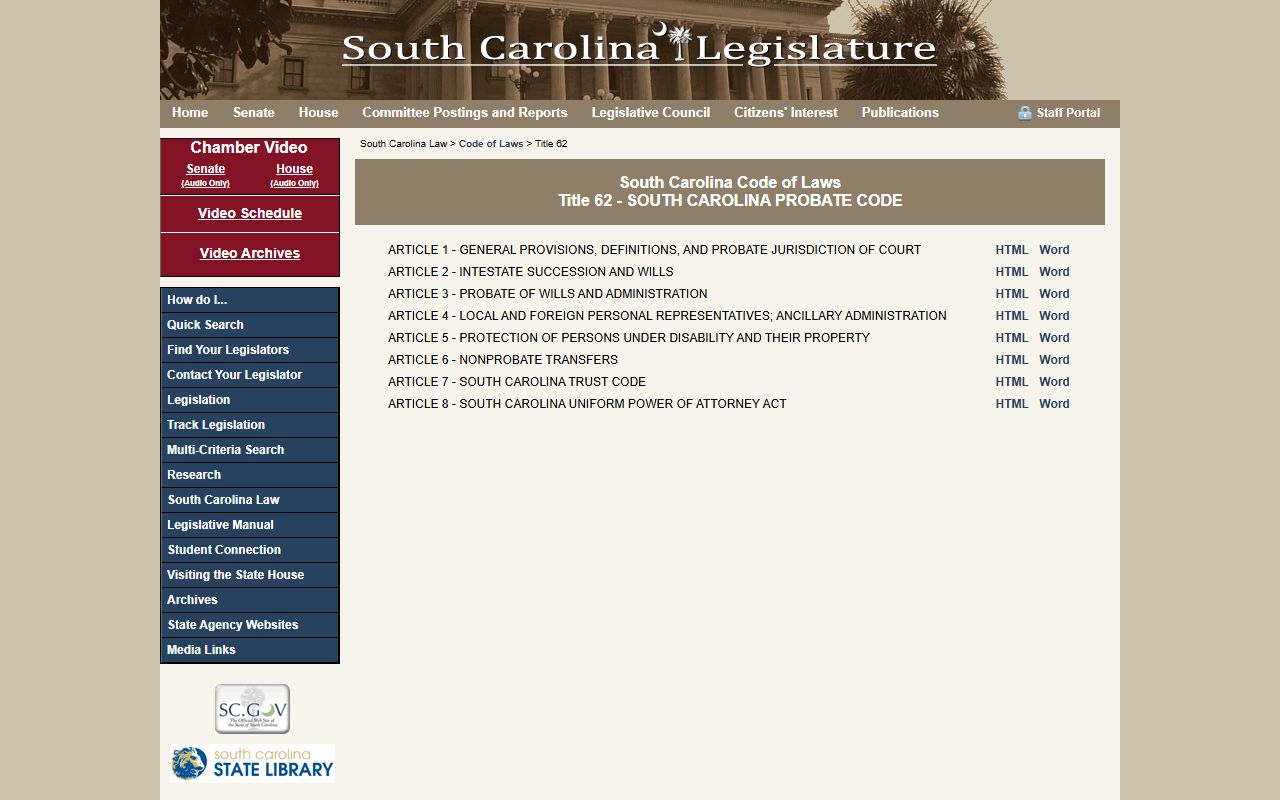
State law governing marriage licenses is found in South Carolina statutes administered through the probate court system. After the ceremony, the officiant returns the signed license to the probate court, where it becomes a permanent record. Certified copies can be requested from the court or through VitalChek.
Marriage records serve many practical purposes. They are needed for legal name changes, insurance claims, Social Security filings, and inheritance matters. Genealogists also rely on them to confirm family relationships and dates.
Lexington County Register of Deeds and Probate Court Records
Lexington County stands out from most South Carolina counties because its Register of Deeds is elected directly by voters. This means the person holding this office is accountable to the public through the ballot box, not just to the county's governing body. The Register of Deeds office is separate from the probate court and maintains real property records independently.
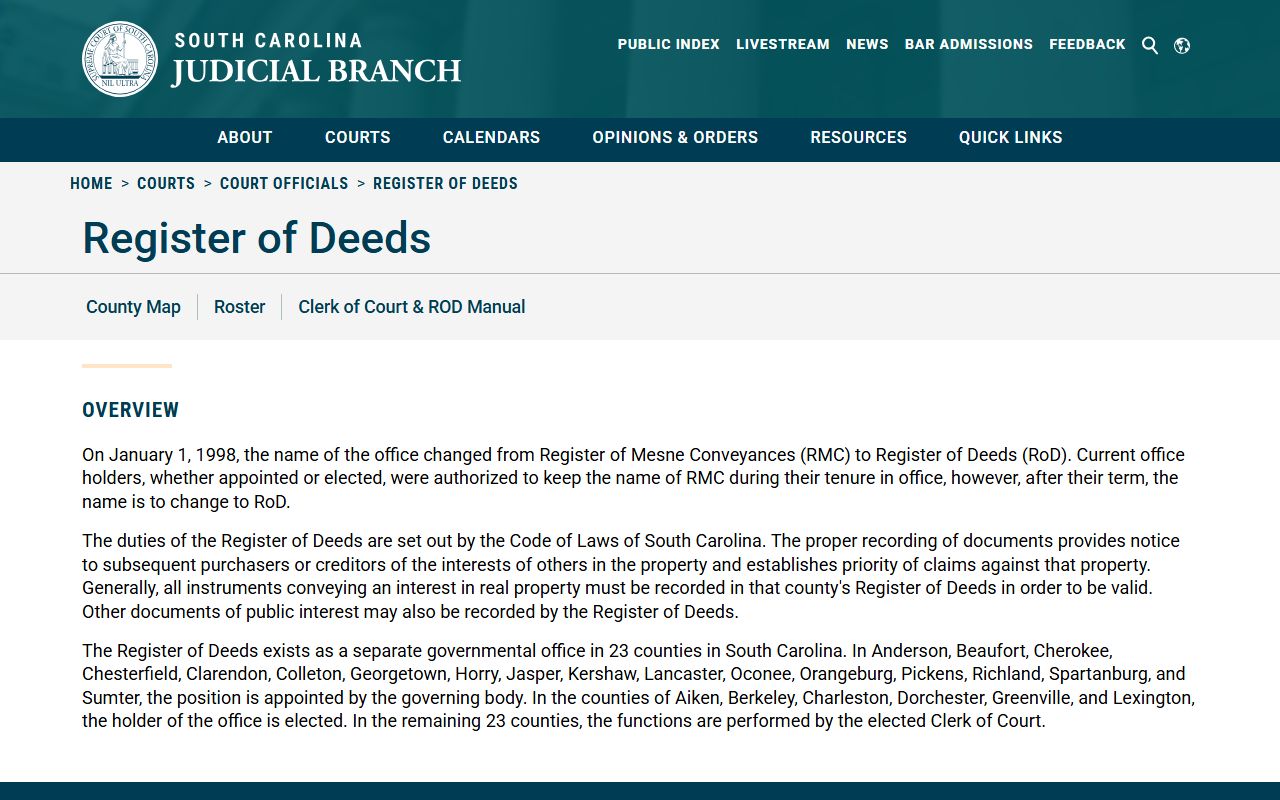
The South Carolina Register of Deeds resource provides context on how deed recording is structured across the state. For Lexington County, the elected Register is the contact for all deed filings, mortgage recordings, and property lien searches. These records often intersect with probate files when estates include real property.
Using both the probate court's estate records and the Register of Deeds' property records together gives a complete view of how property changed hands in Lexington County after someone died. Both offices are important resources for attorneys, researchers, and heirs.
How to Access Lexington County Probate Court Records
Most Lexington County probate court records are open to the public. You can visit the probate court office in Lexington to search case files in person. Bring the name of the person whose record you need and, if possible, an approximate case date or number.
The SC.gov portal offers general information on South Carolina court systems. For Lexington County records not available online, an in-person or written request to the courthouse is the most reliable approach. Certified copies require a formal written request and a copying fee.
| Court Type | Probate Court (Limited Jurisdiction) |
|---|---|
| County Seat | Lexington, SC |
| Region | Midlands |
| Register of Deeds | Elected (separate office, one of 6 in SC) |
| Governing Law | SC Probate Code, Title 62 |
| Records Available | Estates, guardianships, conservatorships, marriage licenses, commitments |
Cities in Lexington County with Probate Court Connections
Lexington County includes a number of communities, and all county residents use the same probate court. The City of Columbia spans both Richland and Lexington counties.
Neighboring Counties and Probate Records
Lexington County borders several other Midlands counties. Families with roots in the greater Columbia area may have probate records in more than one county.