
Lancaster County Probate Court Records
The Lancaster County Probate Court manages estate administration, guardianship and conservatorship cases, wrongful death settlement approvals, involuntary commitments, and marriage licenses for residents of Lancaster County. Lancaster County probate court records document the legal events that occur when residents die, lose capacity, or need the court to protect their interests or approve a settlement. This guide explains what records exist, where they are kept, and how to find Lancaster County probate court records for legal, personal, or genealogical purposes.
Lancaster County Probate Court Quick Facts
About the Lancaster County Probate Court
The Lancaster County Probate Court is a court of limited jurisdiction operating under the South Carolina Probate Code, Title 62. The probate judge is elected by Lancaster County voters and serves a four-year term. The court handles several distinct types of legal matters, all of which center on protecting people and their property.
Lancaster County is located in the northern part of South Carolina, close to the North Carolina border. The county seat and largest city is Lancaster. The county has grown significantly in recent years as families and businesses have moved into the Charlotte, North Carolina metro region's southern reach. This growth brings more activity through the probate court as estates, guardianships, and marriage applications increase.
The Register of Deeds in Lancaster County is an appointed official. The county's governing body makes this appointment, and the Register operates as a separate office from the probate court. All real property records for Lancaster County are filed with this office.
Note: For downloadable forms used in Lancaster County probate proceedings, the SC Judicial Branch forms page is a good starting point.
Lancaster County Probate Records: Estate Administration
Estate administration is one of the primary functions of the Lancaster County Probate Court. When a county resident dies, the court oversees the formal process of settling their affairs. This applies whether the person left a will or died without one.
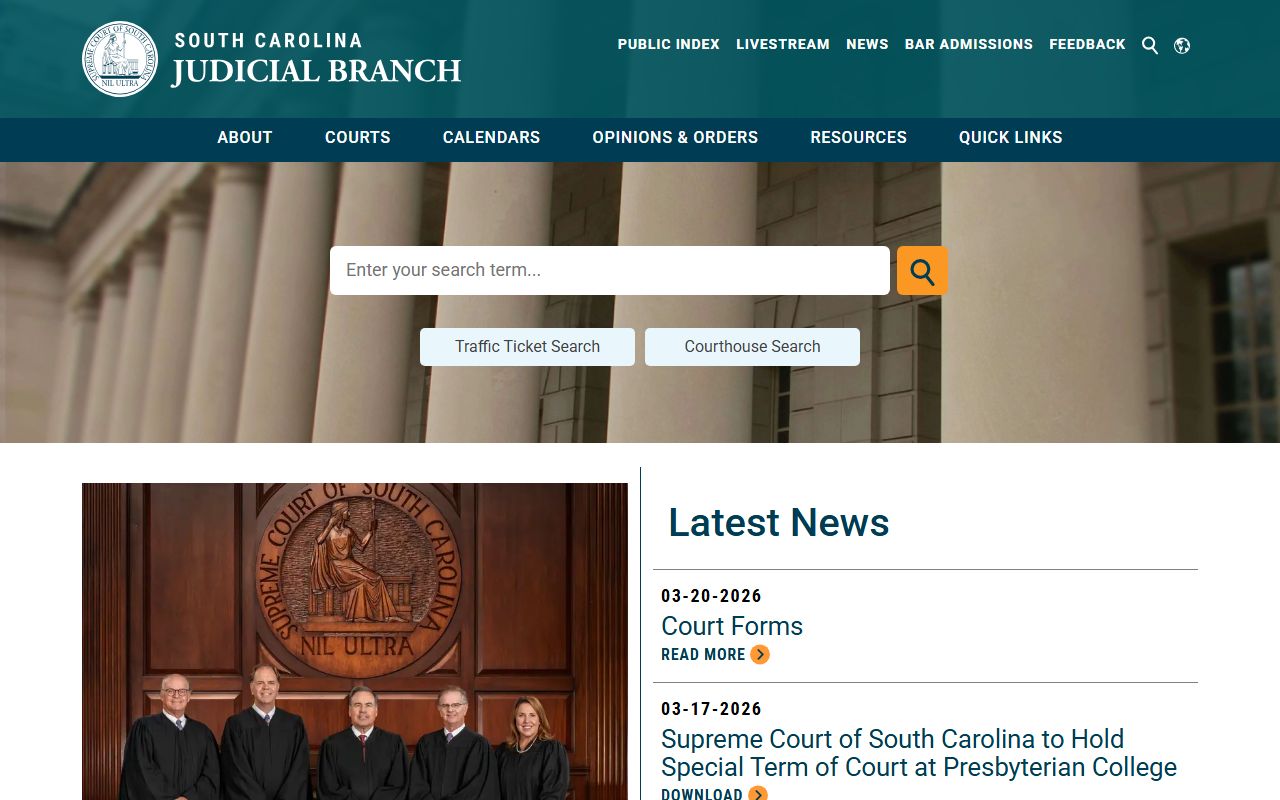
The South Carolina Judicial Branch provides statewide information on how probate courts work. Lancaster County uses the same legal framework that applies across all 46 South Carolina counties. The court appoints a personal representative, reviews the estate's assets and debts, and oversees distribution to heirs or beneficiaries.
Estate files at the Lancaster County Probate Court typically include the petition to open the estate, the original will if one was left, an inventory of all assets, notices to creditors, tax documents, and a final order closing the estate. These are part of the permanent public record. They can be reviewed at the probate court office in Lancaster.
Lancaster County residents who owned real property at the time of their death require an additional step. A deed transferring title to the heirs must be recorded with the Register of Deeds after the probate court issues the proper authorization. This step ensures that the property's legal record reflects the new ownership.
Wrongful Death Settlements and Lancaster County Probate Court
The probate court in Lancaster County has authority over wrongful death settlement approvals. When a person dies due to another party's negligence or wrongful act, a civil claim may arise. If the parties reach a settlement, the probate court must approve the terms before the money is distributed.
This oversight protects the interests of heirs, minor beneficiaries, and creditors. The court reviews the settlement to confirm it is fair and that the distribution plan is appropriate. Records from these proceedings are part of the probate court's file and may be reviewed by interested parties.
Note: Wrongful death settlement records in Lancaster County may contain financial details that are subject to partial access restrictions. Contact the probate court to learn what is publicly available in a specific case.
Guardianship and Conservatorship Records in Lancaster County
When a Lancaster County resident can no longer manage their own personal decisions or finances, the probate court can appoint a guardian or conservator. These proceedings are initiated by petition. The court reviews the circumstances and issues orders that protect the person in need.
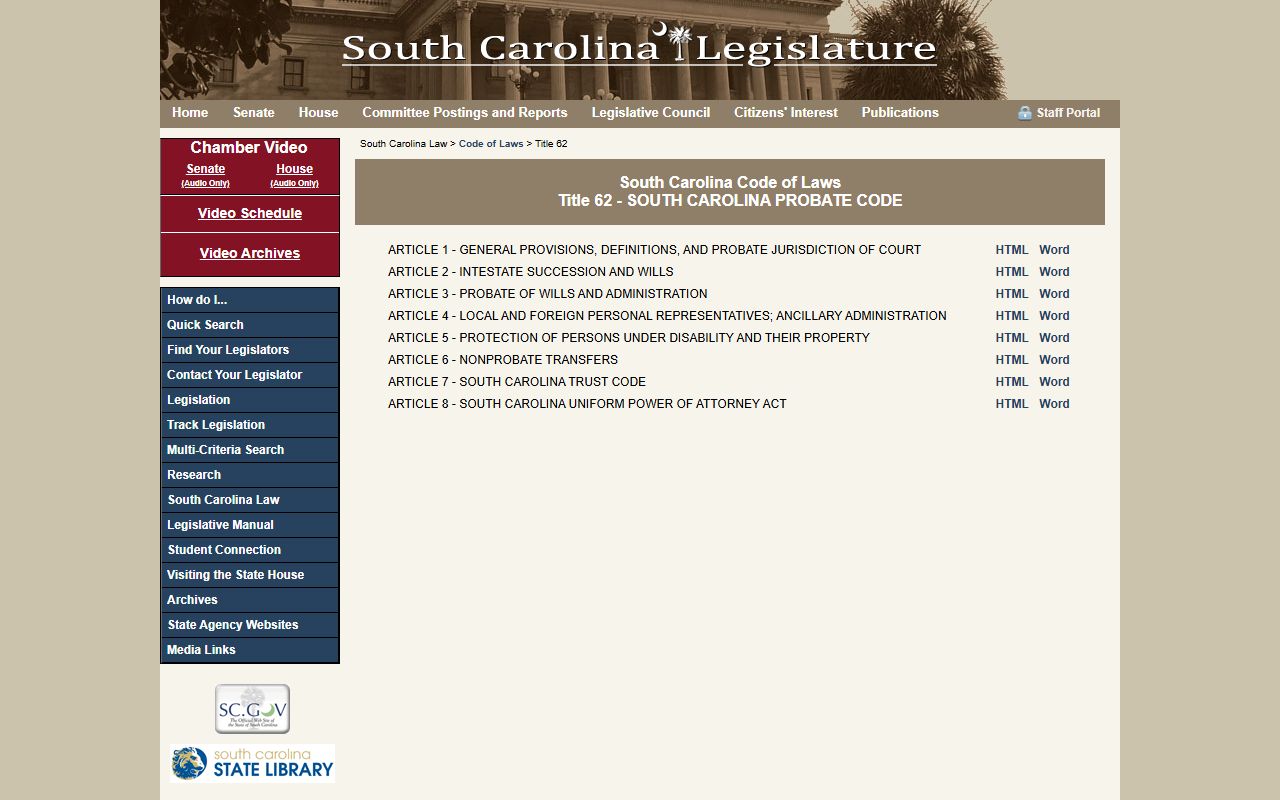
A guardian handles personal and medical decisions. A conservator manages finances and property. Both roles can be assigned to one person or split between two. The court requires ongoing reports to make sure the arrangement remains appropriate for the protected person's needs.
Cases involving minor children also come before the Lancaster County Probate Court. When a child lacks a parent or caregiver, the court may appoint a guardian to provide for the child's care. These records are part of the court's permanent file.
Marriage Licenses Through the Lancaster County Probate Court
Couples planning to marry in South Carolina must obtain a license from a probate court. Lancaster County residents apply at the probate court in Lancaster. Both parties must appear in person and present identification. The license is valid for 30 days.
After the ceremony, the officiant returns the signed license to the probate court. The court records the marriage and files the document permanently. This record serves as official proof of the marriage. Certified copies can be requested through the court or through VitalChek.
Marriage records are useful for many purposes beyond genealogy. They can support name change applications, insurance claims, Social Security filings, and inheritance claims. Keeping a certified copy in a safe place is always a good idea.
Historical Lancaster County Probate Records
The South Carolina State Library holds historical probate documents from Lancaster County. Researchers tracing families in the northern Piedmont region of South Carolina may find estate files, will books, and guardianship orders spanning many generations.

Lancaster County has a long history. The county was formed in 1785, and its probate records stretch back to the early days of South Carolina statehood. Older records can reveal family connections, property holdings, and the names of heirs that may not appear in any other document type.
Some of these historical records have been digitized and may be available online. Others require a visit to the State Library or the county courthouse. The State Library staff can help you determine what is available and in what format.
Lancaster County Register of Deeds and Probate Court Records
The Register of Deeds in Lancaster County is an appointed official who maintains real property records separate from the probate court. Deeds, mortgages, and liens for Lancaster County properties are filed with this office. When an estate includes real property, the probate court and the Register of Deeds must both be involved to complete the transfer.
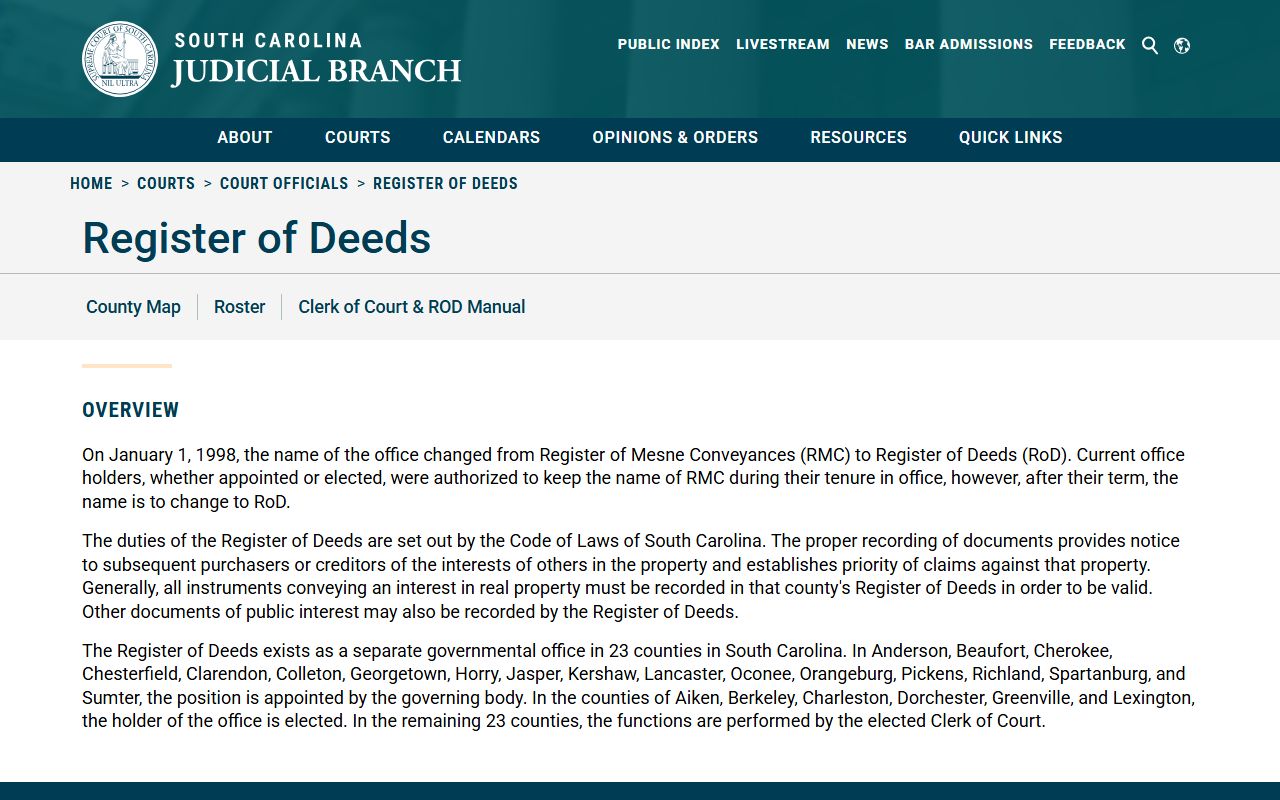
The South Carolina Register of Deeds resource page explains how deed recording works in each county. For Lancaster County, the appointed Register's office is the correct contact for property-related records. Combining a search of probate records with a search of deed records can give a more complete picture of an estate's assets and how they were transferred.
Property records and probate records often overlap. A deed filed after an estate closes will reference the probate court order that authorized the transfer. Both types of records are important for anyone researching property history in Lancaster County.
| Court Type | Probate Court (Limited Jurisdiction) |
|---|---|
| County Seat | Lancaster, SC |
| Register of Deeds | Appointed (separate office) |
| Governing Law | SC Probate Code, Title 62 |
| Judge Term | 4-Year Term (Elected) |
| Records Available | Estates, guardianships, conservatorships, wrongful death settlements, marriage licenses, commitments |
Neighboring Counties and Probate Records
Lancaster County shares borders with York, Chesterfield, Kershaw, Fairfield, and Chester counties. Families with roots in this part of South Carolina may have probate records in more than one county.