
Lee County Probate Records and Court Guide
The Lee County Probate Court, based in Bishopville, serves residents of this rural Pee Dee region county by handling estate administration, guardianship and conservatorship cases, marriage licenses, and involuntary commitment proceedings. Lee County probate court records document the legal steps taken when residents die, lose capacity, or seek court involvement to protect their interests. This page explains what the court does, how records are organized, and how to access Lee County probate court records for research or legal purposes.
Lee County Probate Court Quick Facts
About Lee County and Its Probate Court
Lee County is a small, rural county in the Pee Dee region of South Carolina. Bishopville is the county seat. The county has a strong agricultural history and remains one of the more rural areas in the state. Lee County provides essential government services to its residents through offices housed in Bishopville.

The Lee County website offers resources including County Council meeting minutes, property tax payment options, and contact information for county offices. Residents can use this site as a starting point for finding the probate court's contact details and location. The probate court is among the key offices that serve Lee County residents from the Bishopville courthouse.
The probate court operates under the South Carolina Probate Code, Title 62. It is a court of limited jurisdiction with authority over specific legal matters defined by state statute. The probate judge is elected by county voters and serves a four-year term.
In Lee County, the elected Clerk of Court handles Register of Deeds duties. There is no separate Register of Deeds office. This means real property records and deed filings for Lee County are handled through the Clerk's office rather than a standalone department.
Estate Administration and Lee County Probate Court Records
When a Lee County resident dies, their estate may need to go through the probate court. This is true whether or not a will was left behind. The court opens the case, appoints a personal representative, and oversees the process of settling the estate's debts and distributing assets.
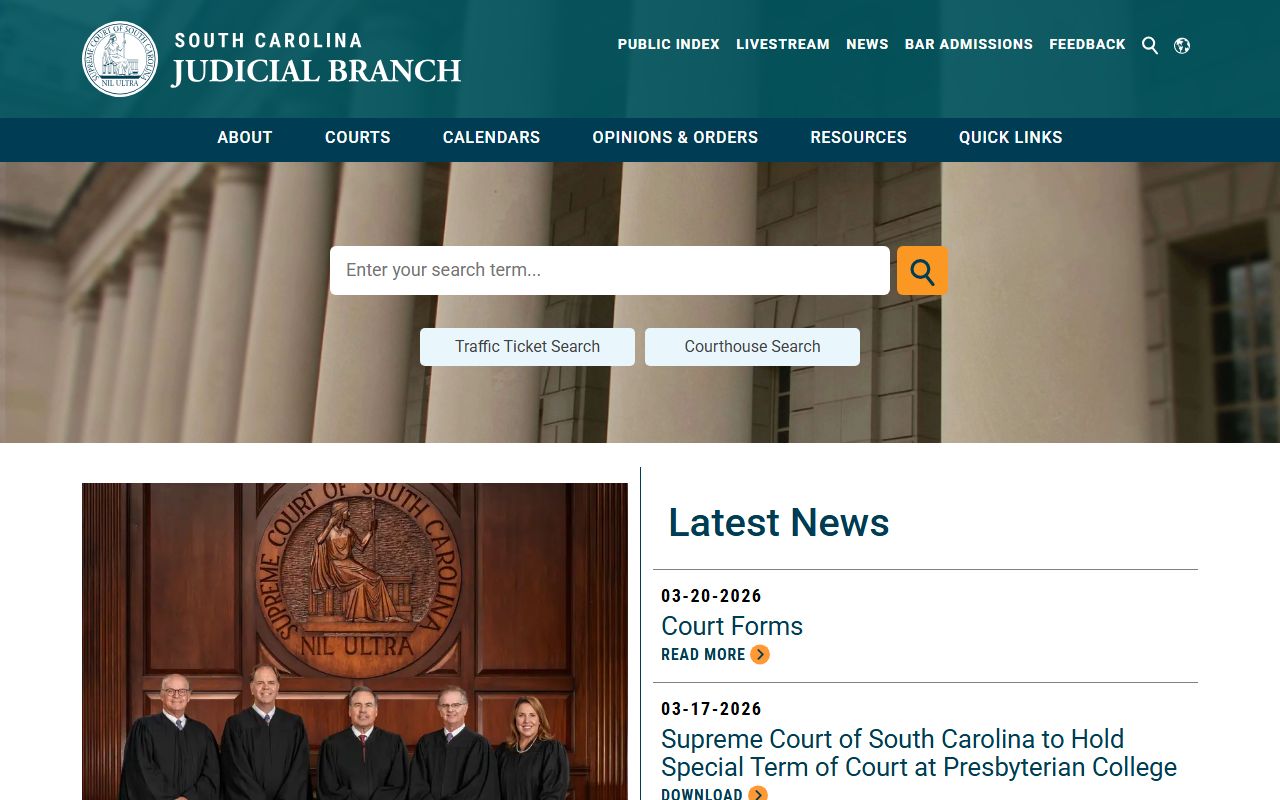
The South Carolina Judicial Branch provides statewide guidance on probate procedures and court contacts. Lee County follows the same rules that apply to every South Carolina county. The personal representative is responsible for identifying assets, paying debts, filing tax returns, and distributing the estate to heirs or beneficiaries named in the will or determined by law.
Estate files at the Lee County Probate Court include the petition to open the estate, any existing will, an inventory of assets, creditor notices, account statements, and a final order closing the case. These are public records. They can be viewed at the probate court office in Bishopville during regular business hours.
When an estate includes real property, the deed transfer must be completed through the Clerk of Court after the probate court issues an order authorizing the transfer. This step ensures that the property records in Lee County correctly show the new owner.
Note: For downloadable forms used in probate proceedings throughout South Carolina, visit the SC Judicial Branch forms page.
Lee County Probate Records: Guardianship and Conservatorship
The Lee County Probate Court handles cases where a person can no longer make their own decisions or manage their own finances. These guardianship and conservatorship proceedings protect vulnerable individuals by placing a responsible party in charge of their personal care or financial matters.
A guardian handles medical decisions, living arrangements, and personal care. A conservator manages money, property, and financial transactions. Both roles can be assigned to one person or split between two. The court monitors these arrangements by requiring regular reports from the appointed party.
Lee County probate court records for these cases include petitions, medical or psychological evaluations, court orders, and annual reports. Some information within these files may be restricted from public view due to privacy protections. Contact the probate court office in Bishopville to ask about access to a specific case.
Marriage Licenses and the Lee County Probate Court
The Lee County Probate Court issues marriage licenses to couples planning to marry in South Carolina. Both parties must appear in person and present valid identification. The license remains valid for 30 days from the date it is issued.
After the ceremony, the officiant signs the license and returns it to the probate court. The court records the marriage and retains the document as a permanent record. This completed document serves as official proof of the marriage in Lee County.
Marriage records are public documents. They can support name changes, insurance applications, Social Security filings, and genealogical research. Certified copies may be requested from the probate court or through VitalChek.
Historical Lee County Probate Records at the State Library
The South Carolina State Library holds historical probate documents from Lee County that are useful for genealogical and historical research. These records include older estate files, will books, and guardianship orders that trace the history of families in the Pee Dee region.

Lee County was created in 1902, named after Confederate General Robert E. Lee. Though it is one of the newer counties in the state, its probate records still span well over a century. Researchers tracing families in the Bishopville area or the broader Pee Dee region may find estate inventories, will references, and family connections documented in these older files.
Some materials have been digitized and may be accessible online. Others require an in-person visit to the State Library in Columbia or to the Lee County Courthouse. The library's staff can help you determine what is available and how to access it.
Note: Combining probate records with census records, tax records, and deed filings often produces the most complete genealogical profile for a Lee County family.
Accessing Lee County Probate Court Records
Most Lee County probate court records are open to the public. Visiting the probate court office in Bishopville is the most direct way to search for records. Bring the name of the person whose record you need and an approximate date if you have one.
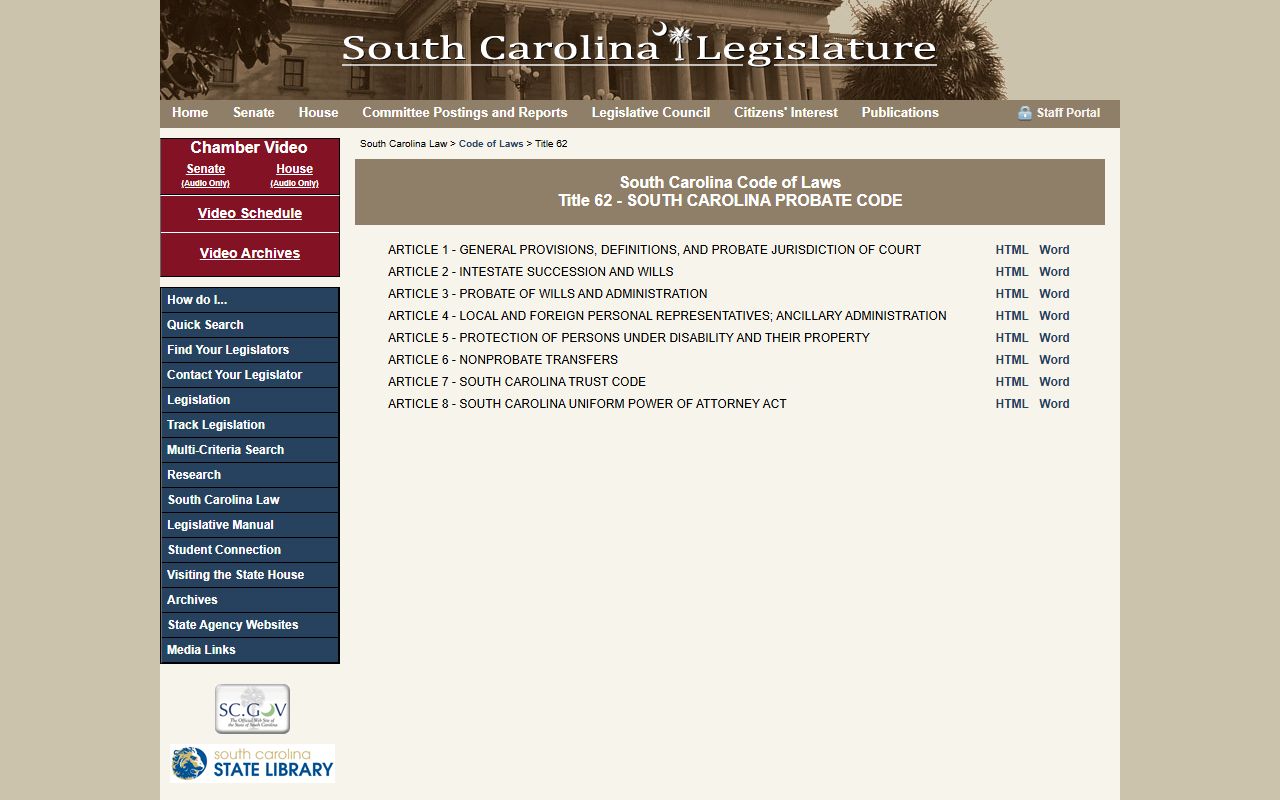
The full text of Title 62 is available at the South Carolina State House website. This law governs how probate courts operate and what records are created. Reading the relevant portions can help you understand what documents to expect in a given type of case.
For certified copies of estate documents or marriage records, the court typically requires a written request and charges a per-page fee. Online access to Lee County probate court records is limited, given the county's rural size. An in-person or mail-based request is usually necessary for complete records.
| Court Type | Probate Court (Limited Jurisdiction) |
|---|---|
| County Seat | Bishopville, SC |
| Region | Pee Dee |
| Register of Deeds | Clerk of Court (no separate office) |
| Governing Law | SC Probate Code, Title 62 |
| Records Available | Estates, guardianships, conservatorships, marriage licenses, commitments |
Neighboring Counties and Probate Records
Lee County borders several Pee Dee and Midlands counties. Research often crosses county lines when families moved between areas over generations.