
Greenville County Probate Court Records and Estate Search
Greenville County probate court records cover the full range of proceedings handled by the elected probate judge, from estate administration and wills to guardianships, conservatorships, marriage licenses, and involuntary commitment actions. Greenville County is the most populous county in South Carolina and the economic and cultural anchor of the Upstate region. Its probate court processes one of the highest volumes of estate and protective services cases in the state. The court's mission is to provide professional and compassionate service to the public through teamwork. For heirs, attorneys, and researchers, Greenville County probate court records are the authoritative source for tracing estate outcomes and verifying legal appointments in this major South Carolina county.
Greenville County Probate Court Quick Facts
Greenville County Probate Court: Authority and Services
The Greenville County Probate Court operates under the South Carolina Constitution and the South Carolina Probate Code, Title 62. The probate judge is elected countywide to a four-year term, giving Greenville County voters direct accountability for this office. The court's stated mission is to provide professional and compassionate service to the public through teamwork, a standard that guides its approach to even the most complex estate and protective services matters.
The court handles estate matters, Protective Services proceedings including adult guardianships and conservatorships, mediation services, Health Care Power of Attorney filings, and Living Will declarations. Each of these services generates records that become part of the permanent Greenville County probate court file. The court's jurisdiction extends to marriage licenses, settlements involving minors and wrongful death actions, and involuntary commitment proceedings as well.
The South Carolina Judicial Branch maintains the statewide Public Index for free online searching of probate cases across all 46 counties. For attorneys and legal professionals who need attorney-level case management access in Greenville County, the court uses the Attorney Case Management System (ACMS). As of April 2024, ACMS access is priced at $15 per month or $150 per year per user. Copies of documents beyond basic case lookups must be requested from the court directly.
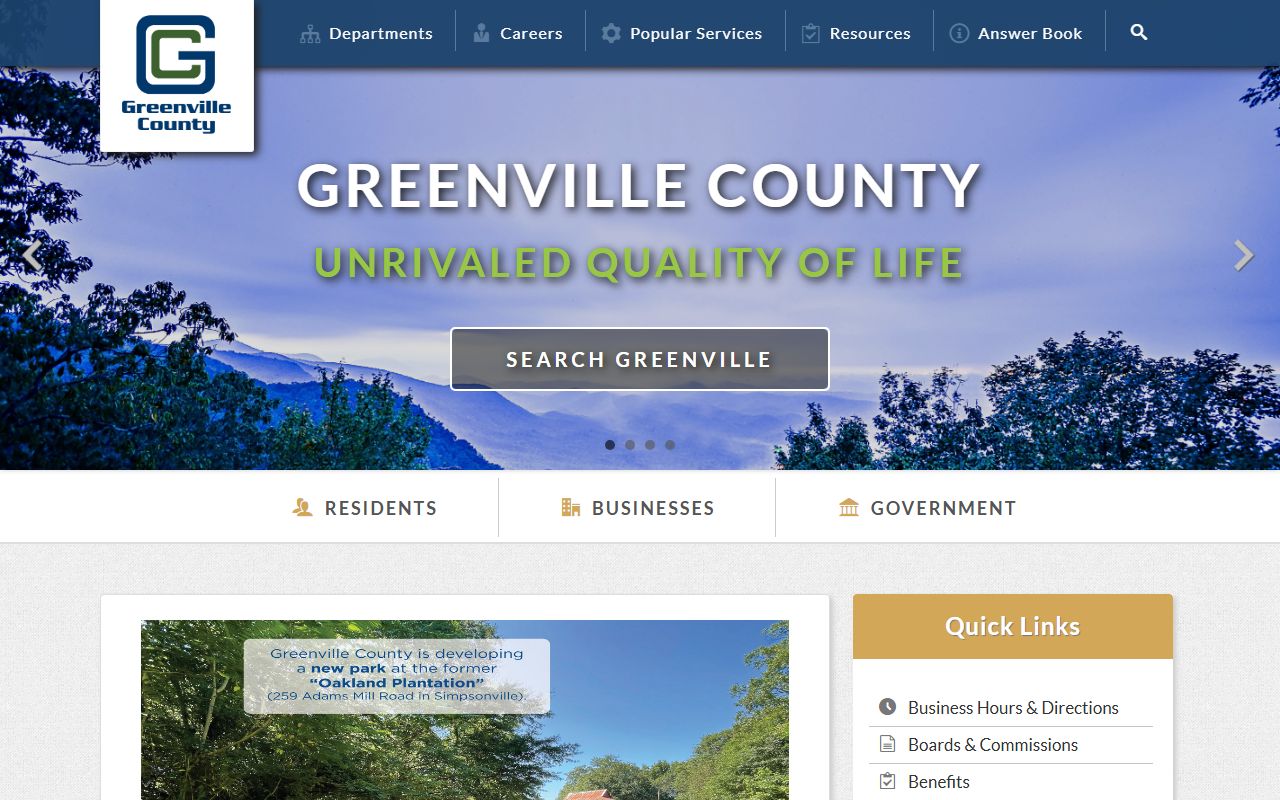
The Greenville County Probate Court website provides current information on all court services, ACMS access, and how to file estate and protective services cases in the county.
Note: Legal professionals using ACMS in Greenville County should verify current pricing and access requirements directly with the Greenville County Probate Court, as terms may be updated.
Greenville County Probate Records: What They Cover
Estate records form the largest category of filings at the Greenville County Probate Court. When a Greenville County resident dies with property in their name, the estate typically must pass through probate before assets transfer to heirs. The estate file includes the petition to open the case, the original will if one exists, the death certificate, a complete inventory of assets, accountings by the personal representative, creditor notifications and claim resolutions, and the court's final distribution order. All of these documents are part of the permanent public record.
Protective Services cases, which include adult guardianships and conservatorships, are another major portion of Greenville County probate court records. A guardianship addresses personal care decisions for an adult who can no longer manage their own welfare. A conservatorship addresses financial management for an adult who can no longer handle their own money and property. Under South Carolina law, a "vulnerable adult" is defined as a person 18 or older whose physical or mental condition prevents them from adequately providing for their own care or protection. The Greenville County Probate Court provides resources for reporting abuse or neglect of vulnerable adults and for initiating protective proceedings when needed.
Other Greenville County probate records include Health Care Power of Attorney filings, Living Will declarations, marriage licenses, and records of mediation proceedings conducted through the court. Each type of filing reflects the court's broad mandate to serve the public across a wide range of personal and estate legal matters.
City of Greenville and County Probate Filings
The City of Greenville is a major municipality within Greenville County and serves as both the county seat and the region's economic hub. Residents of the city and the surrounding county, including those in Greenville, Greer, Mauldin, and Simpsonville, all file estate and protective services cases through the Greenville County Probate Court.

Whether a resident lives in the city or in the more rural parts of the county, all Greenville County probate proceedings go through the same probate court in the county seat.
Greenville County's rapid growth over recent decades means its probate court handles an expanding number of estate and protective services cases each year. Estates range from modest personal property matters to complex cases involving businesses, real estate portfolios, and multi-state assets. All of them generate records that are maintained by the Greenville County Probate Court and are available to authorized parties.
How to Search Greenville County Probate Court Records
In-person access to Greenville County probate court records is available at the courthouse in the city of Greenville. Staff can assist with name-based and case-number searches. Valid photo ID is required. Older records may be stored separately; call ahead when researching historical filings.
Online access to case-level information is available through the SC Judicial Branch Public Index at no charge. Attorneys and legal professionals may access enhanced case management features through ACMS, priced at $150 per year per user as of April 2024. Copies of documents require a direct request to the Greenville County Probate Court. Standard fee schedules apply, with a higher per-page rate for certified copies.
Free court forms for estate administration, guardianship, and conservatorship proceedings are available from the SC Courts forms page. For vital records connected to probate matters, including death certificates and birth certificates, VitalChek is the authorized online ordering service for South Carolina vital records. The South Carolina General Assembly website is the right place to check for any recent changes to Title 62 that affect Greenville County estate administration.
Estate Administration in Greenville County
Administering an estate in Greenville County begins with presenting the original will and the original death certificate to the Greenville County Probate Court. Only originals are accepted. When no will exists, the estate is intestate and Title 62 of the South Carolina Code governs who may inherit and in what priority order.
The court appoints a personal representative to administer the estate after it is opened. This person collects all assets of the deceased, notifies creditors and resolves valid claims, files an inventory and periodic accountings with the court, and distributes the remaining estate to the proper heirs. Every document submitted during this process becomes part of the Greenville County estate record. The personal representative owes duties to all interested parties and can be held personally liable for errors, omissions, or mismanagement.
Small Greenville County estates may qualify for simplified procedures under Title 62 depending on total asset values. Confirming eligibility with the court or a licensed attorney before proceeding is the right approach. The Greenville County Probate Court website provides guidance on what to expect when opening an estate in the county.
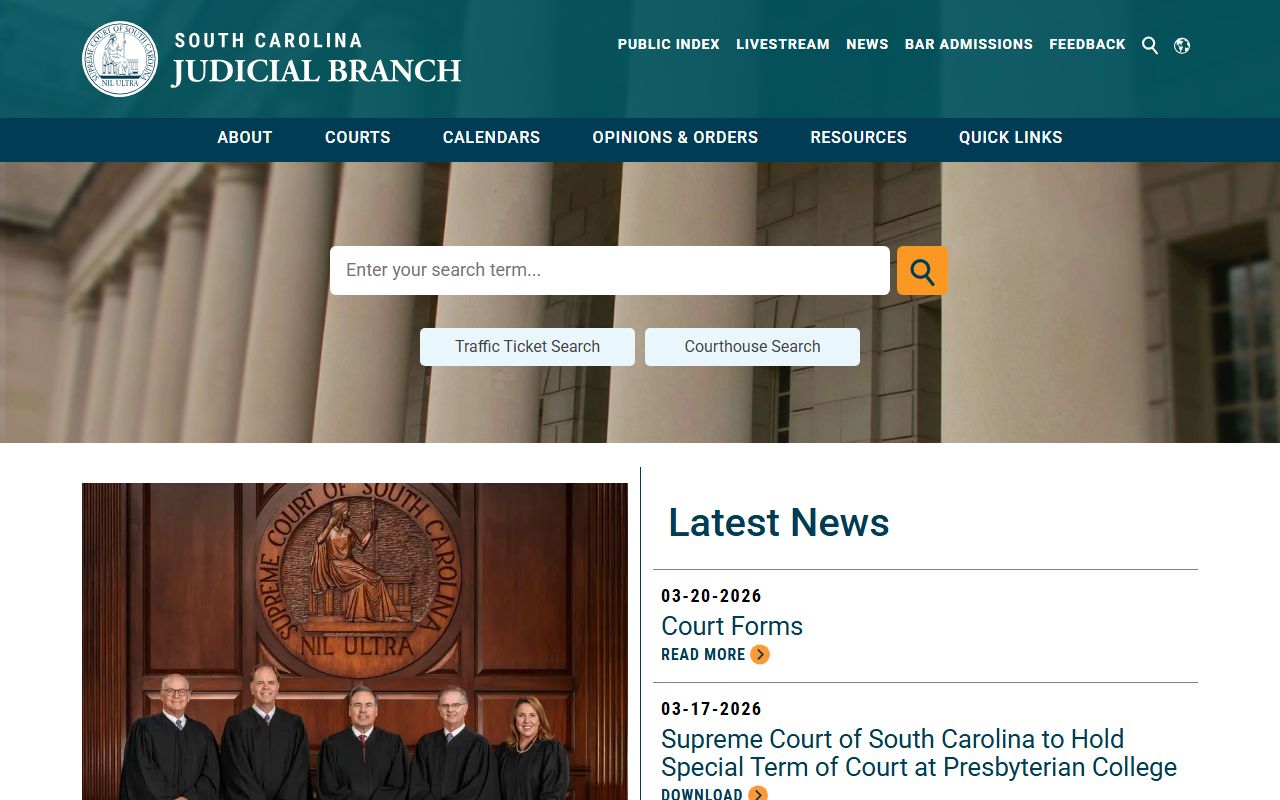
The SC Judicial Branch Public Index and the Greenville County Probate Court website together provide the most reliable starting points for anyone navigating a Greenville County estate.
Note: The Greenville County Probate Court also handles Health Care Power of Attorney filings and Living Will declarations, which are not estate administration matters but are maintained in the same probate court files.
Protective Services and Vulnerable Adults in Greenville County
The Greenville County Probate Court is especially active in Protective Services proceedings for vulnerable adults. South Carolina law defines a vulnerable adult as a person age 18 or older whose physical or mental condition prevents them from adequately providing for their own care or protection. The probate court has jurisdiction over guardianship and conservatorship cases that protect these individuals.
The Greenville County Probate Court provides resources for reporting suspected abuse, neglect, or exploitation of vulnerable adults and for initiating guardianship or conservatorship proceedings when appropriate. A guardianship petition must be supported by evidence that the proposed ward lacks capacity to manage their personal affairs. If granted, the court order sets out the scope of the guardian's authority and requires annual reporting to the court. Conservatorship petitions follow the same structure for financial protection. Annual reports and inventories filed in these cases are part of the Greenville County probate record and are accessible to authorized parties.
Greenville County Register of Deeds and Probate Records
Greenville County is one of only six South Carolina counties where the Register of Deeds is a separately elected office, chosen directly by county voters. This elected status gives the Register of Deeds independent accountability to the Greenville County public. The Register records deeds, mortgages, plats, and other instruments affecting real property in the county.
Probate records and Register of Deeds records overlap when real estate is part of a Greenville County estate. After the probate court closes the estate, any deed transferring property to heirs or buyers must be recorded with the Register of Deeds. Researchers tracing property ownership in Greenville County over time will need both the probate court record and the deed index to follow the complete chain of title. The South Carolina Register of Deeds resource page provides statewide context on how deed recording works across all South Carolina counties.
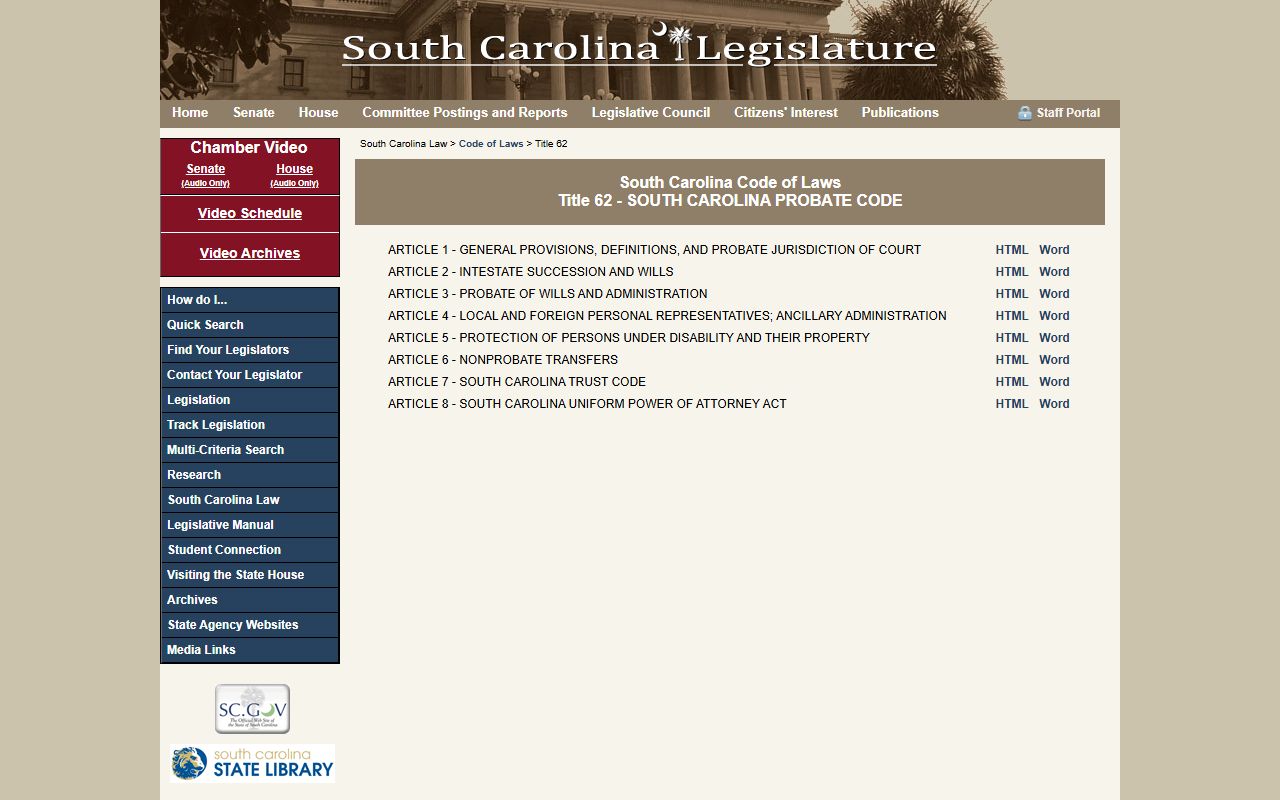
Title 62 and the Greenville County Probate Court together form the legal framework that governs every estate, guardianship, and protective services proceeding in the county.
Related Records That Connect to Greenville County Probate Filings
Greenville County probate court records link to several other record sets. Death certificates are required to open any estate and can be ordered through VitalChek. Birth and marriage records establish the family relationships that determine heir status in intestate cases.
Tax records from the Greenville County Assessor provide valuations for real estate and personal property included in estate inventories. Judgment liens from the Court of Common Pleas may represent debts the decedent owed that the estate must pay before closing. The SC Judicial Branch site provides a single access point for searching across court types in Greenville County, making it the logical first stop for any court record research in the county. Combining all of these records with the core probate file gives heirs, attorneys, and researchers the fullest possible understanding of how an estate was handled from filing to final distribution.
Nearby Counties
Greenville County is in the northwestern corner of South Carolina and borders several other Upstate counties. Each county maintains its own probate court. Confirming the decedent's county of residence at the time of death is the right starting point for determining which court has jurisdiction.